
NEW ENGINEERING GUIDE
Appliance Glass Handling Racks and Fixtures: A Risk-Control Guide
Reduce scratches, edge chips and mix-ups with controlled appliance glass racks, fixtures, separators and handling verification.
Read article
Practical technical articles for appliance engineers, product designers, sourcing managers and OEM buyers.
Reduce scratches, edge chips and mix-ups with controlled appliance glass racks, fixtures, separators and handling verification.
Read article
Specify coated appliance glass correctly: surface orientation, masking boundaries, print and adhesive compatibility, inspection and change control.
Read guide
Prevent wrong revisions and mixed printed glass during manufacturing changeovers with practical line-clearance and first-piece controls.
Read guide
A practical incoming-inspection checklist for appliance and display factories receiving custom glass: identity, packaging, appearance, dimensions and escalation.
Read guide
Learn how OEMs and glass suppliers control part revisions, batches, labels, segregation and shipment records to prevent mixed appliance glass.
Read guide
Prepare appliance glass artwork for reliable printing: revisions, layers, datums, windows, icons, colors and pre-production approval.
Read guide
Plan reliable appliance glass bonding with controlled surface identification, cleaning, surface energy checks, adhesive compatibility, fixtures, cure, validation and supplier evidence.
Read guideTranslate appliance glass process risks into a practical PFMEA and control plan for cutting, edging, tempering, printing, coating, inspection, packing and engineering changes.
Read guide
Build a reliable first article inspection and golden sample system for custom appliance glass, covering revisions, dimensions, appearance, optical zones, records, storage and change control.
Read guide
Learn how to specify Low-E coated oven door glass, evaluate emissivity and appearance, define coating orientation, and validate the complete door assembly.
Read guide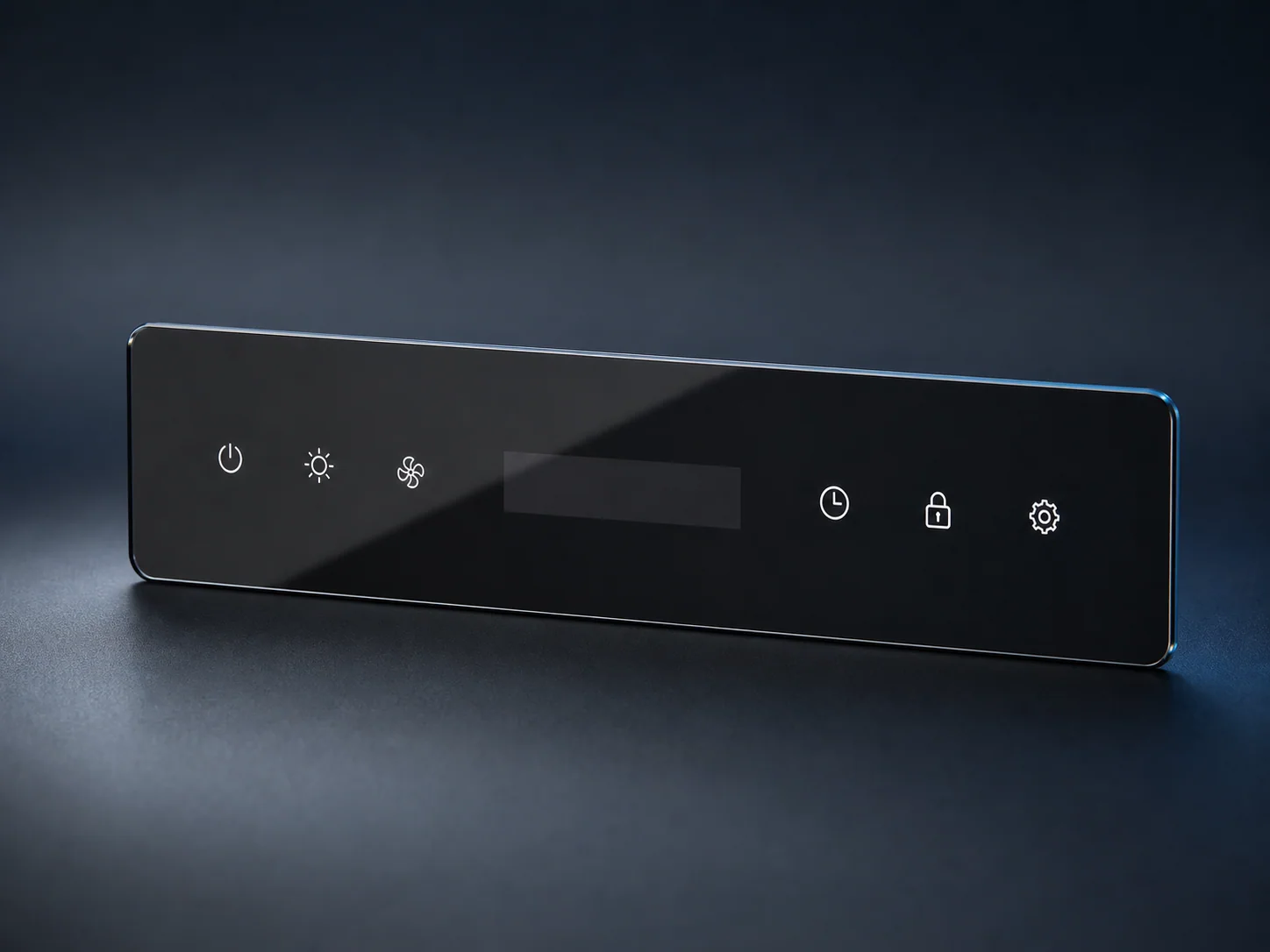
Plan ESD validation for appliance touch and display cover glass assemblies, including discharge points, powered modes, criteria, diagnostics, and supplier evidence.
Read guideBuild a practical chemical and detergent resistance test plan for printed and coated appliance glass using real cleaners, controlled exposure, and clear criteria.
Read guideLearn when heat soak testing may reduce nickel sulfide breakage risk in tempered appliance glass, what it cannot guarantee, and how OEMs should qualify it.
Read guide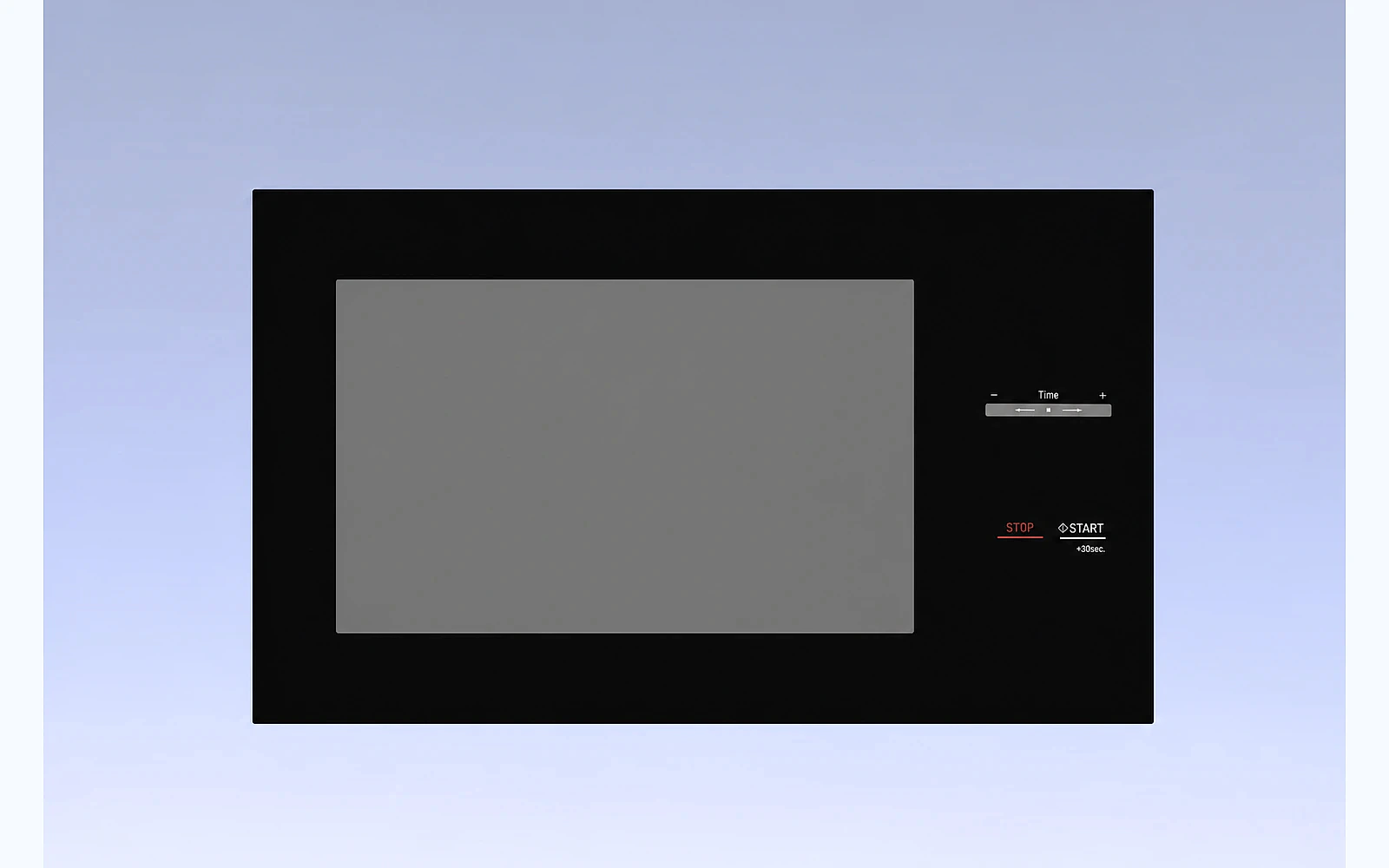
Learn how OEMs validate UV and color stability of printed or coated appliance glass with controlled exposure, Delta E, gloss, haze and functional checks.
Read guideLearn how OEMs specify anti-fingerprint and easy-clean coatings for appliance glass using contact angle, cleanability, abrasion and environmental validation.
Read guideLearn how OEM teams specify, measure and review surface and edge stress in tempered appliance glass without confusing stress data with fragmentation tests.
Read guideBuild a valid scratch and abrasion test plan for bare, printed and coated appliance glass without confusing pencil hardness, stylus and wear methods.
Read guideCompare optical bonding and air-gap appliance display cover glass for readability, touch, condensation, repair, tolerances, process control and cost.
Read guideSelect protective film for appliance display glass by surface, adhesive, peel, residue, ESD, converting and shipment requirements—not film color alone.
Read guideLearn how to validate appliance glass inspection with MSA and Gage R&R before relying on Cpk, supplier data or shipment inspection results.
Read guidePlan damp-heat and condensation validation for bonded appliance display glass, including failure modes, specimens, inspection and supplier evidence.
Read guideUnderstand anisotropy and quench patterns in tempered appliance glass, then define lighting, zones, boundary samples and assembly-level acceptance criteria.
Read guideBuild a practical production approval and change-control package for custom appliance glass covering drawings, samples, control plans, capability and traceability.
Read guide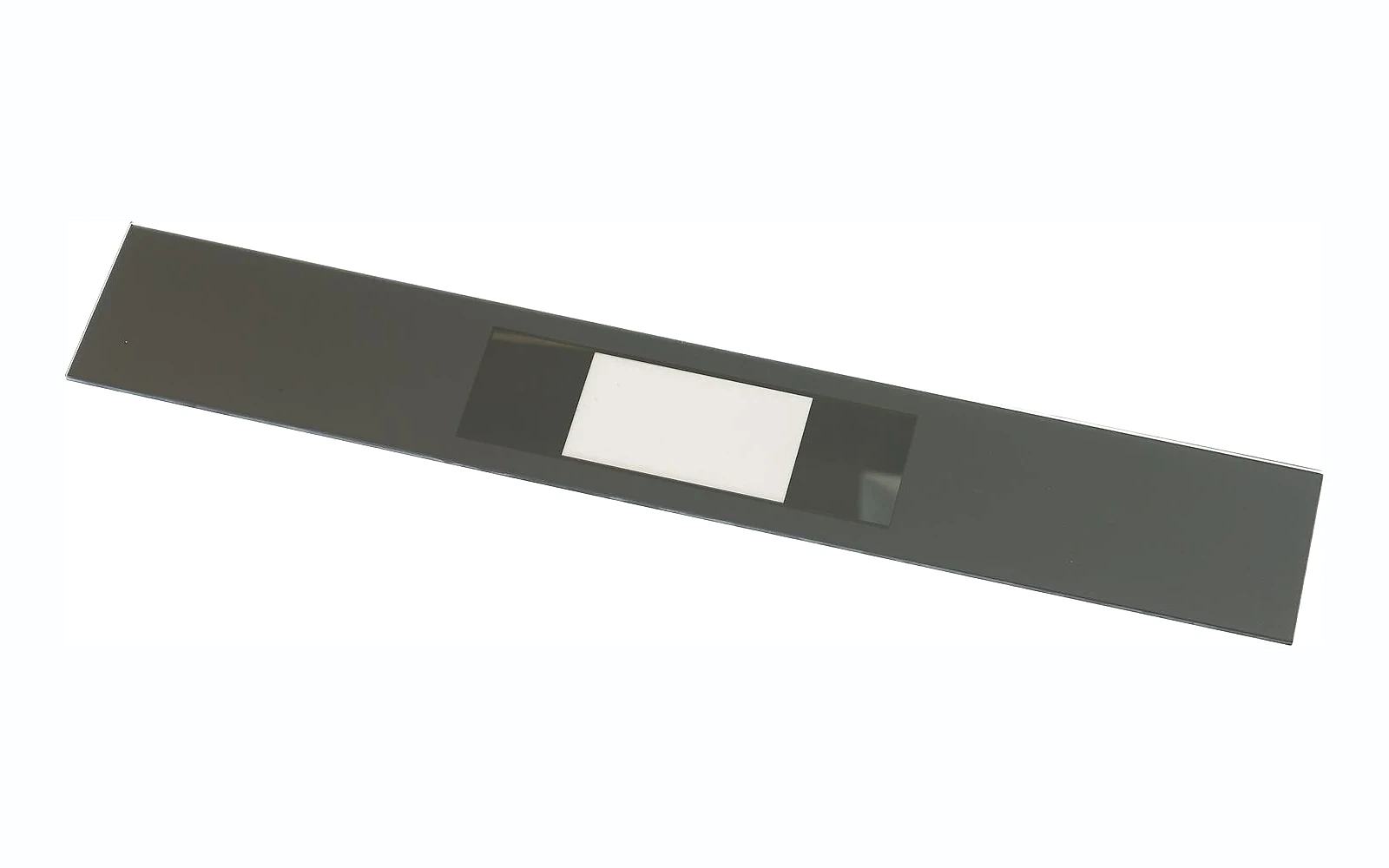
Compare anti-glare, anti-reflective and clear appliance display glass by readability, haze, sparkle, durability, cleaning and manufacturing risk.
Read guideSpecify and inspect pinholes, voids and light leakage in screen-printed appliance glass using zoned criteria, controlled backlighting and traceable samples.
Read guideCompare optical-grade and standard appliance glass panels, then build an evidence-based supplier qualification plan for display-integrated appliances.
Read guideBuild a practical cleanliness specification for appliance display glass covering particles, residues, washing, handling, packaging and pre-bond inspection.
Read guideLearn how OEM teams define impact and fragmentation validation for tempered appliance glass using product-specific mounting, locations and pass criteria.
Read guideBuild a product-specific thermal shock test plan for oven, microwave and appliance glass using realistic temperatures, gradients, mounting and pass criteria.
Read guideLearn what OEM buyers should request for RoHS and REACH compliance of appliance glass, printing, coatings and supplied component materials.
Read guideAn OEM guide to specifying and measuring tempered appliance glass flatness, overall bow, roller wave, edge lift and assembly-fit risk.
Read guideLearn how OEM buyers specify appliance glass edge finishes, inspect chips and cracks, and control edge damage from CNC processing through assembly and shipment.
Read guideLearn how OEM teams specify and approve printed appliance glass color using Delta E, master samples, controlled lighting and production evidence.
Read guideLearn how OEM buyers can specify ceramic ink, adhesion, chemical, abrasion, thermal and appearance requirements for screen-printed appliance glass.
Read guideA practical OEM guide to Cpk, SPC, measurement systems, control plans and supplier evidence for stable appliance glass mass production.
Read guideCompare tempered soda-lime glass, borosilicate glass and glass-ceramic for appliance panels by thermal, mechanical, optical, decorative and cost requirements.
Read guideA practical OEM guide to investigating tempered appliance glass breakage across edges, geometry, mounting, impact, thermal exposure, transport and inclusions.
Read guideUnderstand what drives custom appliance glass MOQ and quotation cost, including drawings, tooling, printing, tempering, coating, inspection and export packaging.
Read guideA practical guide to developing custom appliance glass from drawing review and prototypes through pilot production, approval, control plans and repeat orders.
Read guideA practical OEM guide to bonding appliance glass panels: joint design, surface preparation, adhesive selection, fixtures, testing and production control.
Read guideLearn how to specify transmission, haze, color, opacity and viewing performance for display windows in custom appliance control-panel glass.
Read guideBuild a clear cosmetic inspection and AQL agreement for appliance glass panels, including defect zones, viewing conditions, samples and lot acceptance.
Read guideDesign capacitive touch through appliance glass: overlay thickness, ink, adhesive, air gaps, electrodes, display windows, moisture and validation.
Read guidePlan export packaging for appliance glass: cosmetic protection, edge loading, interleaving, crates, palletization, transit testing and shipment inspection.
Read guidePrepare an appliance glass drawing for quotation and production: datums, tolerances, holes, cutouts, edgework, printing, flatness and DFM review.
Read guide
Specify microwave oven door glass for OEM sourcing: construction, printing, viewing windows, tolerances, assembly validation, inspection and RFQ data.
Read guide
Specify an EV charger glass panel for indoor or outdoor equipment: material, printing, display windows, mounting, testing, inspection and RFQ data.
Read guideDesign dead-front appliance control panel glass for displays and touch controls: optical targets, printing, tolerances, validation, inspection and RFQ data.
Read guide
Learn how to specify washing machine lid glass: geometry, tempering, printing, mounting, testing, inspection, samples and supplier qualification.
Read guideLearn how to specify tempered oven door glass: material, geometry, printing, coatings, thermal validation, inspection, samples and export packaging.
Read guideCompare mirror, conductive, anti-reflective and easy-clean options for coated appliance glass, including optical targets, durability and validation.
Read guideCompare silk-screen and digital printing for appliance glass panels by durability, color, opacity, artwork, volume, cost and production validation.
Read guideUse this practical OEM appliance glass RFQ checklist to define drawings, glass, printing, coatings, testing, packaging and inspection before requesting a quote.
Read guideA practical supplier-audit and quality-control guide for OEM appliance glass, covering DFM, samples, testing, inspections, traceability, packaging and shipment.
Read guide